
What the long turn actually asks for
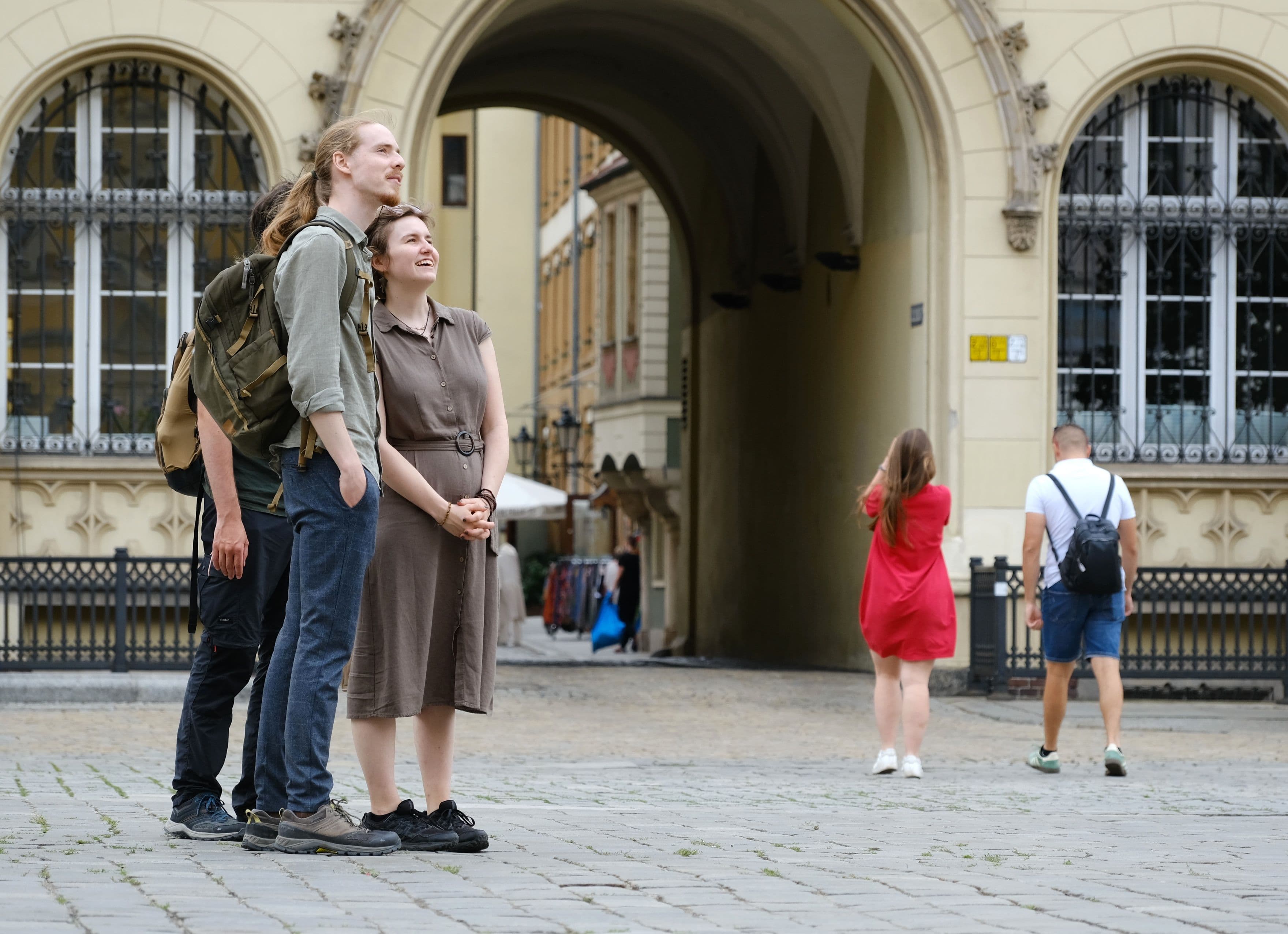
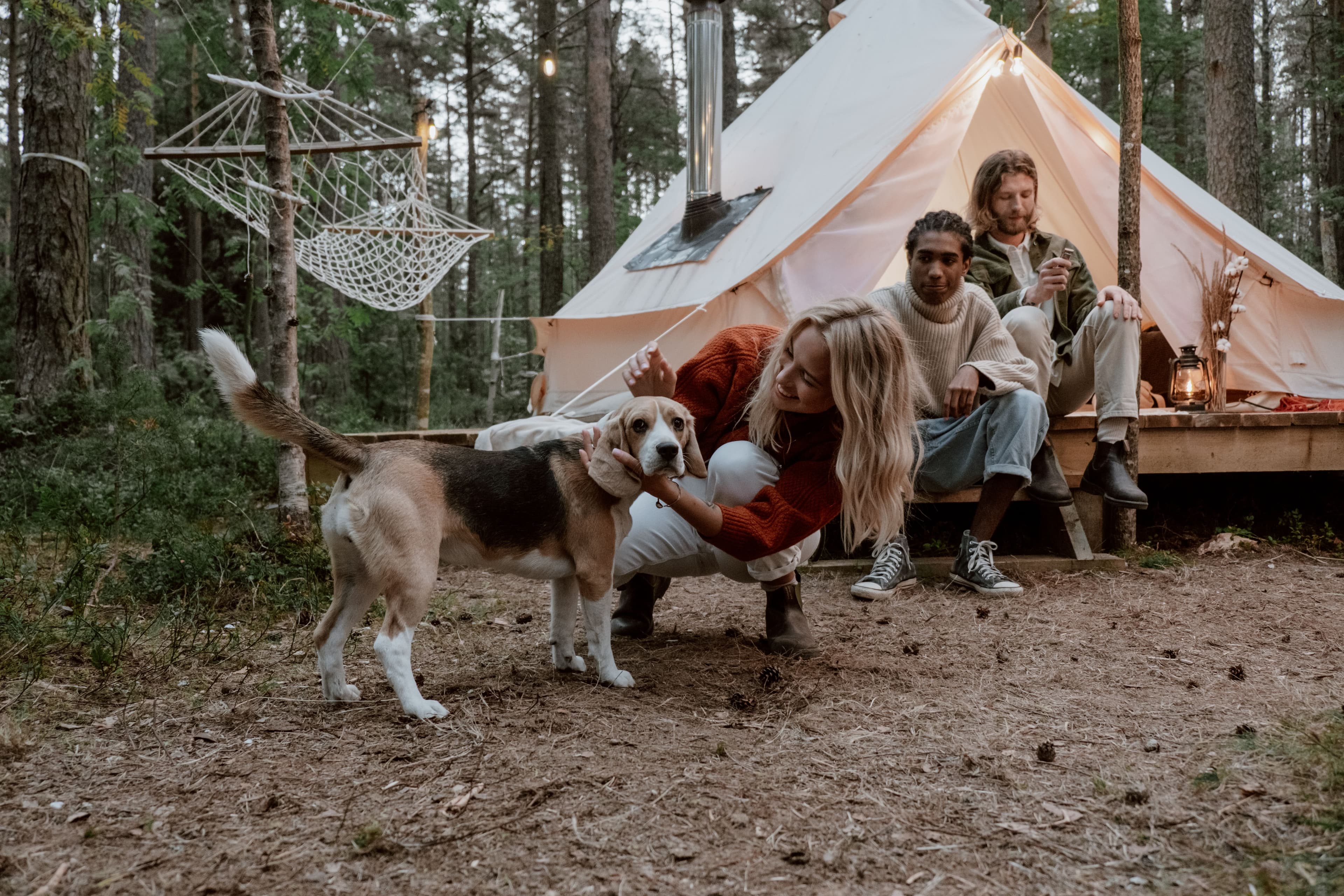
The examiner hands you two photographs with a question printed above them (for example, “Why might the people have chosen to travel this way?”) and gives you about a minute. Sixty seconds feels long alone at the front of a room — which is exactly the point: Part 2 tests whether you can organise uninterrupted speech, not just react. When your partner speaks, you listen; then the examiner asks you a short question about their photos, and you get thirty seconds.
Two instructions hide in every task: compare the photos and answer the printed question. Candidates who do only one of the two cap their own mark — the most common way to lose points in this part.
- Part 12 minInterviewQuestions about you
- Part 24 minLong turnA minute each with two photos
- Part 34 minCollaborative taskDecide something together
- Part 44 minDiscussionThe examiner opens the topic out
14 minutes · in pairs · two examiners
The phrase bank, by function
You do not need fifty phrases — you need three or four per function, available without thinking:
| Function | Phrases that do the job |
|---|---|
| Opening the comparison | Both photos show… · The two pictures are connected by… · In both photos, people are… |
| Similarities | In the same way… · Similarly… · What they have in common is… |
| Differences | While the first photo…, the second… · In contrast… · The main difference is that… · whereas… |
| Speculating | They might be… · He could have… · It looks like… / It looks as if… · Perhaps they've just… |
| Answering the printed question | I'd say the main reason is… · If I had to choose, I'd say… · It seems to me that… |
| Buying a second of thinking time | That's an interesting one… · Let me see… · Well, judging from the photo… |
Speculation phrases matter double: you cannot know what the people in a stock photo are thinking, and the examiners know it. “They might be celebrating something” demonstrates modal verbs — a straight “they are celebrating” just demonstrates guessing. For the describing words themselves, the topic-based vocabulary list keeps them organised the way photos serve them up.
The #1 mistake: describing instead of comparing
The classic losing pattern: thirty seconds cataloguing photo one (“there is a man, he has a bike, the weather is nice”), thirty seconds cataloguing photo two, time up — question never answered, no comparison made. It fills a minute and scores like it didn’t.
The fix is a simple one-minute skeleton: one sentence linking both photos → one or two differences → answer the printed question, speculating as you go. Practising that shape until it is automatic is precisely what repetition is for.
Try it nowCompare two photos against a one-minute clockTen seconds with the photos, then sixty to talk — exactly the exam's shape. The first drills are free.SpeakA worked example transcript
Task: two photos — a family cooking together at home; friends eating at a restaurant. Printed question: “Why might the people have chosen to eat in these ways?”
Both photos show people sharing a meal, but in quite different situations. In the first one, a family is cooking together at home — it looks like a normal weekday evening — while in the second, a group of friends is being served in what could be quite an expensive restaurant. The main difference for me is the occasion: the family might simply be saving money and spending time together, whereas the friends could be celebrating something special — a birthday, perhaps, judging from their clothes. As for why they’ve chosen these ways of eating, I’d say the family values the routine and the friends value the event — eating out turns a dinner into an occasion.
Count what the examiner counts: an opening that links both photos, two contrasts (while, whereas), four speculations (looks like, might, could, perhaps), and the printed question explicitly answered — all inside a minute.
The thirty seconds as the second candidate
When your partner finishes, the examiner turns to you with a short question about their photos — usually “Which of these would you prefer?” The trap is relief: candidates switch off during their partner’s minute and get caught. Stay listening, and answer in the Part 1 shape — choice, reason, one detail — which is all thirty seconds holds. (If Part 1’s shape is not yet automatic, the interview guide covers it.)
Practise with a clock — and a marker
The long turn is the most trainable minute in the exam: photos, timer, speak. The B2 Part 2 drills run exactly like the real thing — ten seconds with the photos, then a one-minute countdown — and Felix, the AI examiner, marks your transcript on the Cambridge scales, checking specifically whether you compared the photos and answered the question. The first drills are free to sit; Felix’s marking comes with the Exam Prep pass.
Next in the test, the microphone opens up: Part 3’s collaborative task trades your monologue for a negotiation. And for the exam as a whole, start from the complete B2 First preparation guide.